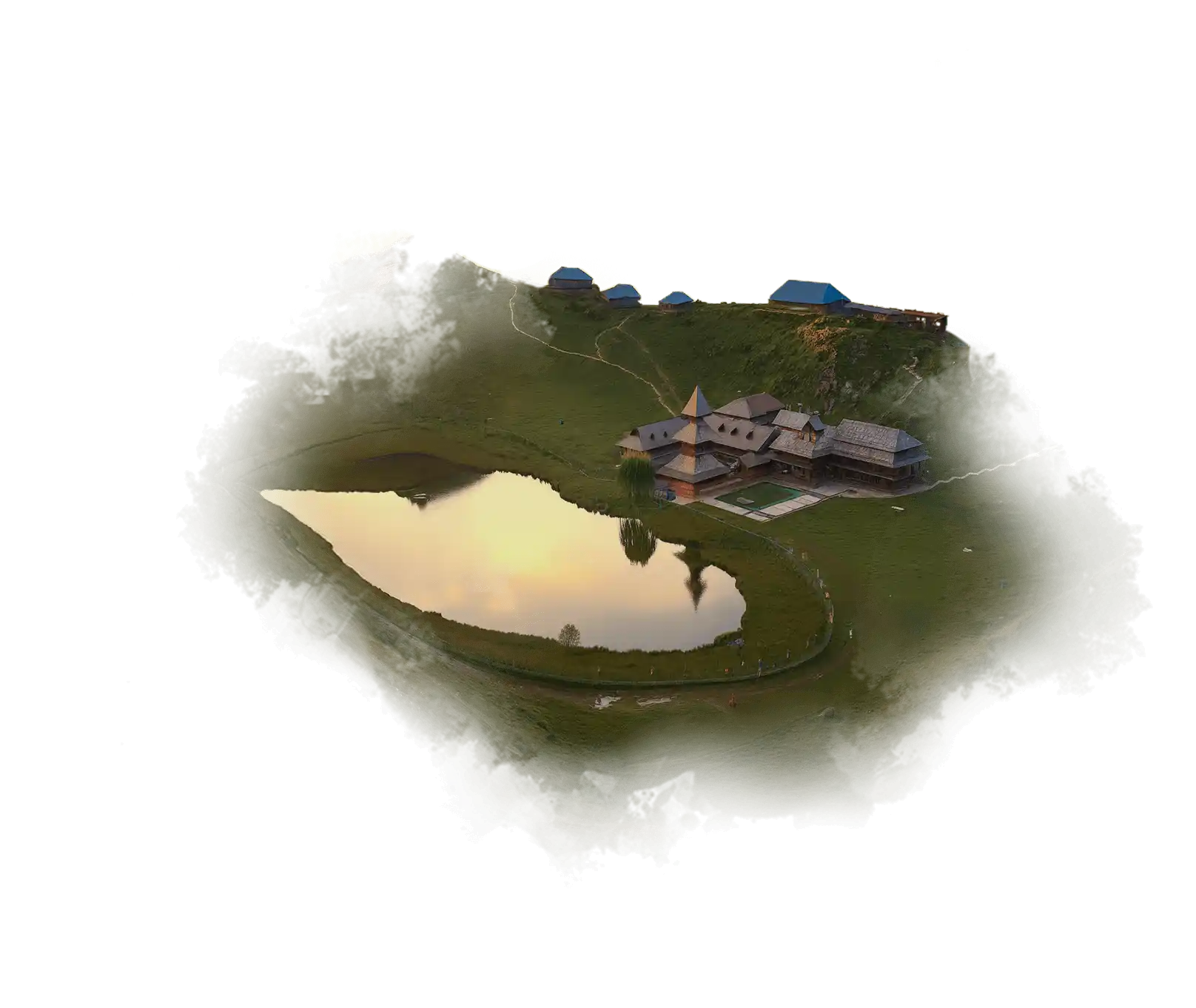
Trade town. Temple lanes.
People call Mandi Chhoti Kashi because it has many temples. That part is true. But there’s more to Mandi’s identity than just its temples. This district has long been the market heart of Himachal. The name “Mandi” itself means marketplace. Set between the hills and plains, it has always been a crossroads for trade, farming, and travel.
The Beas River flows through the district and is its lifeline. Mandi town grew along its banks, with old bridges, ghats, and narrow bazaar lanes. Beyond the town, valleys like Seraj, Karsog, and Chuhar are quieter and hold onto their traditional ways. Here’s something most visitors don’t know: Mandi has rock salt mines in Guma and Drang. In the past, Mandyali salt was so valuable it was used like currency.
MANDI
Our Hidden Favourites (Himachalites Recommends)
- Old Mandi Bazaar + Kachori trail: Take a stroll through Sunken Garden, Seri Bazaar, and Chohata. Afterward, try the local kachori, which is crushed and served in spicy curry. This is the true flavor of the town.
- Victoria Bridge + Panchvaktra Sangam: Take an evening walk on the 1877 bridge. From here, you get a clear view of the Beas and the Panchvaktra temple where the rivers meet. It’s simple, peaceful, and truly feels like Mandi.
- Thachi Valley walk (Bitthu Narayan → Ashu Dev): This quiet valley of apple and cedar trees is often missed by travelers. The walk leads to the Ashu Dev temple and the Ashu Alli waterfall, a clean and sacred spot that locals hold in high regard.
- Kunhoo Dar viewpoint (Karsog side): Locals love this wide ridge viewpoint for its open views, strong winds, and peaceful lack of crowds.
- Chattri + Magru Mahadev: This is one of the best Kath-Kuni temples in the district. The wood-and-stone structure, along with its carvings, is worth seeing, and the nearby sacred forest feels untouched.